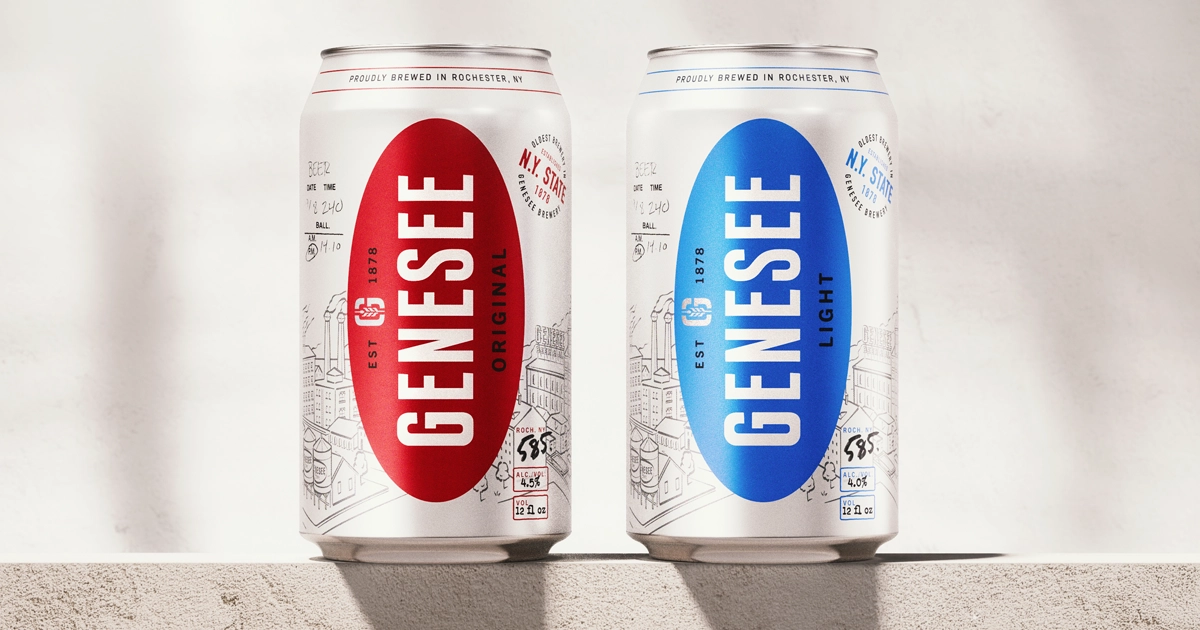
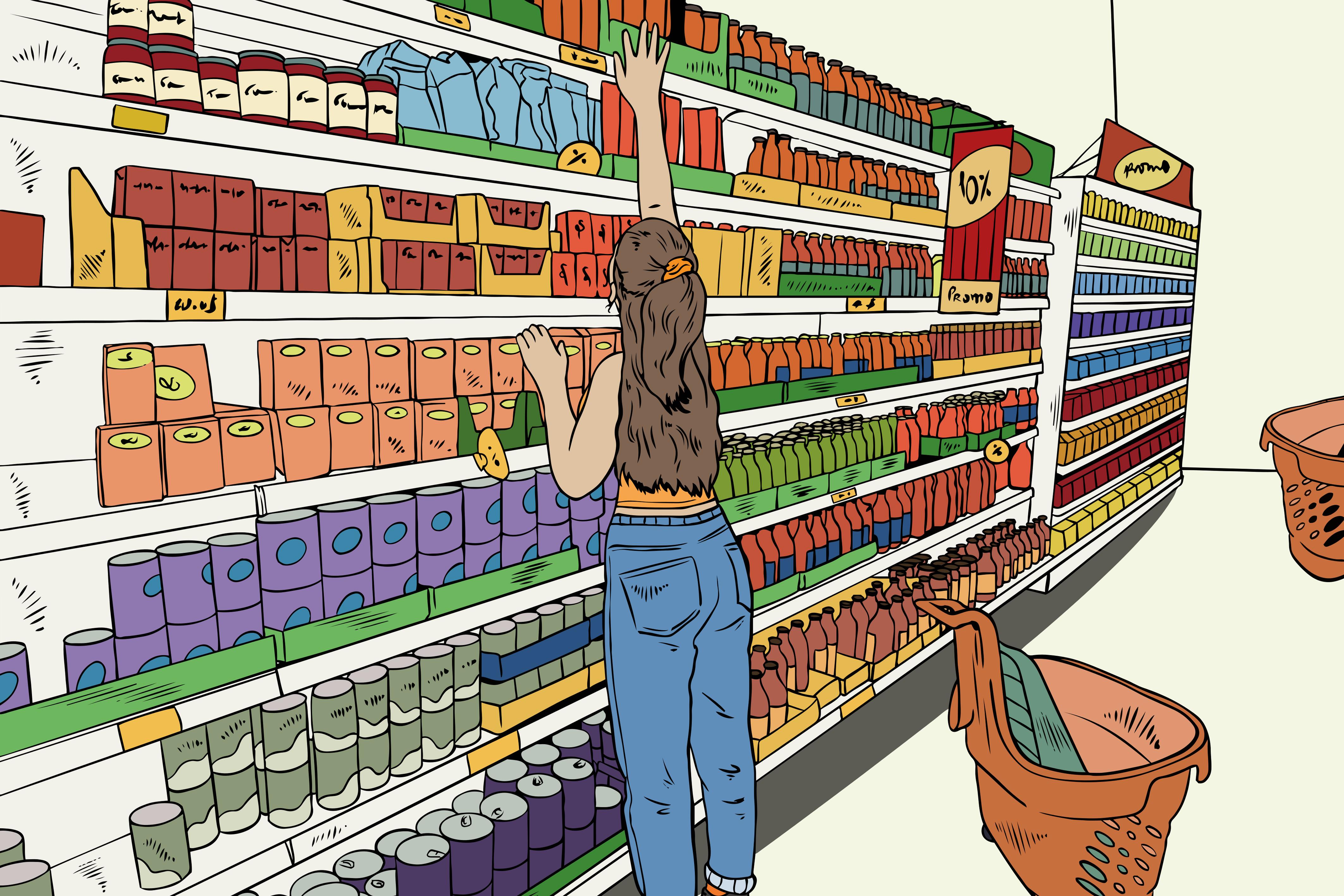
CAPTURING LOCAL MAGIC THAT TRAVELS

At Sister Mary, we’ve found that the unlock isn’t about choosing between “local” and “global.”It’s about understanding what actually makes something local in the first place, and then carrying that meaning into new contexts, without stripping it of its depth.
There’s a special kind of magic that only exists in one place.
You feel it in the corner store brand everyone swears by; In the shorthand locals use that outsiders don’t quite get; In the symbols that look simple, or even cliche, but actually carry decades (sometimes centuries) of meaning.
But step just a few miles outside that place, and it disappears… not the local icon itself, but the meaning and value it carries.
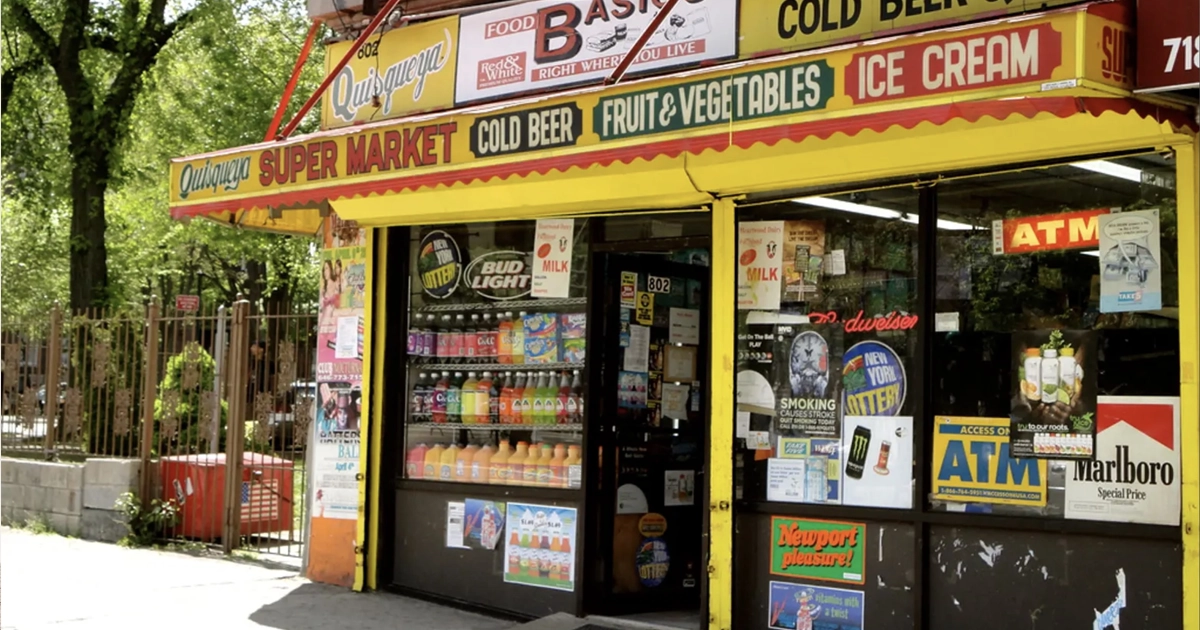
Local love doesn’t travel on its own
Some of the most beloved brands around the world are deeply, unapologetically local. They’re built on familiarity, rituals, memory structures, and a shared understanding that doesn’t need to be explained. They just ARE…
…Which is exactly why they often struggle to scale - because what makes them special isn’t obvious, it’s embedded into the very experience itself.
So when these brands try to grow, they either:
- Flatten themselves into something more “universal” (and lose what made them special), OR
- Double down on surface-level cues that don’t translate (and confuse everyone else)
At the same time, global brands are trying to move in the opposite direction. They want to feel locally relevant, and embedded in culture.
The goal is “authenticity” (a brand buzzword we’re all sick of!), but too often it turns into imitation at best, appropriation at worst - An identity that borrows the aesthetic but not the meaning; A product that references the culture but doesn’t understand it; A brand that’s in the neighborhood, but not of it.
And people can tell, whether they’re locals or not.

It’s not exporting culture, but translating meaning
At Sister Mary, we’ve found that the unlock isn’t about choosing between “local” and “global.”
It’s about understanding what actually makes something local in the first place, and then carrying that meaning into new contexts, without stripping it of its depth.
Sometimes that means taking a hyper-local brand and asking “What’s the magic here that can travel?”
Other times, it means helping a global brand show up in a way that feels like it belongs, understanding “what does this place actually value beyond the obvious?”
Very different briefs, same core challenge.
Clichés are there for a reason
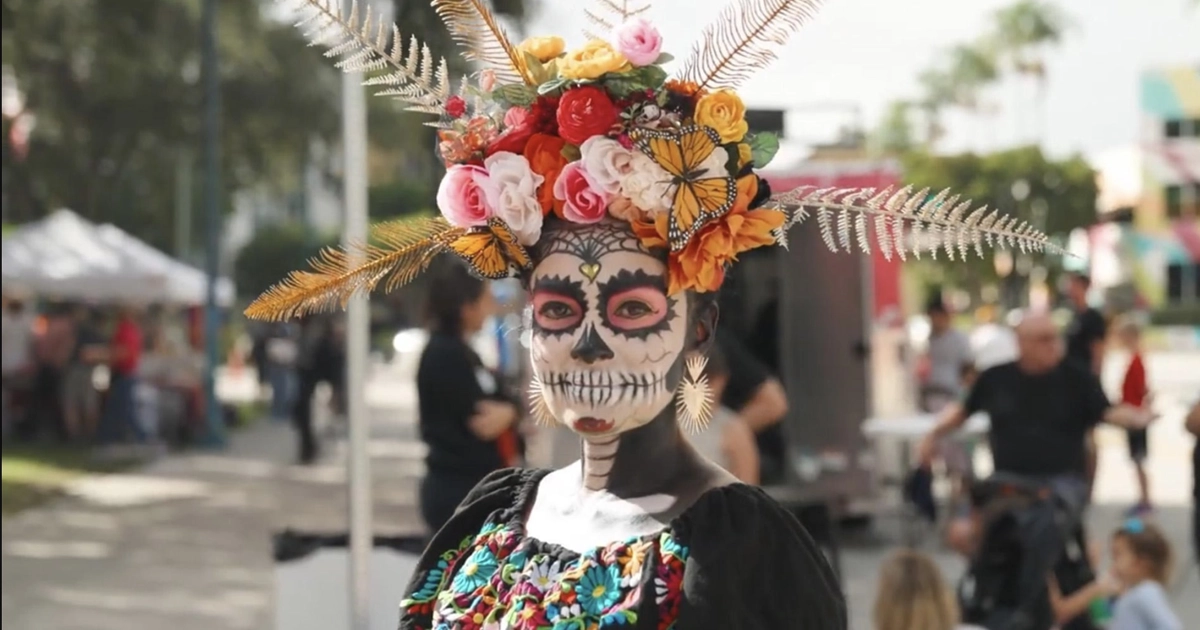
There’s a temptation in doing locally relevant work that captures broad appeal to immediately reject anything that feels expected - Japanese cherry blossoms, Brazilian Carnival masks, Mexican sugar skulls, Hawaiian hula dancers, USA’s stars & stripes, etc. etc.
We label them as clichés, skip past them and move on. But that’s usually a mistake, because most clichés started as something real. They became clichés when they were repeated without understanding, detached from their context, stripped of meaning, and used as decoration instead of expression.
The goal isn’t to avoid them. It’s to understand them and earn them.
A sugar skull doesn’t mean much on its own, but within the context of an ofrenda, it becomes something else entirely—memory, ritual, connection.
A carnival mask isn’t just visual spectacle, it’s tied to identity, history, resistance, celebration.
When you understand the context around the symbol, you unlock its meaning, and suddenly, something “overused” can become a powerful truth again.
The three layers of local meaning
When we immerse ourselves in a place - whether that’s Mexico City, São Paulo, Lima, Rochester, or Shanghai - we’re not just looking for what’s visible, we’re trying to understand three interconnected layers:
1. Symbols
What shows up again and again? Icons, objects, colors, motifs.
The things locals point to when they say, “this is us.” And the thing visitors recognize as “this is from there”
2. Styles
How are those symbols expressed? Typography, materials, textures, attitudes.
The difference between something feeling authentic vs. generic often lives here - a clip art Tiki glass vs. a hand-carved craft.
3. Stories
Why do these things matter? The rituals, histories, tensions, and truths that give everything else meaning.
This means you have to think about design beyond just what aesthetically looks good, but why and how every element is there.
You can’t pull these apart. A symbol without its story is decoration; A story without a style doesn’t land; A style without a culturally grounded symbol feels like imitation.
But when they work together, they create something that feels real…. Dare I say “authentic” 😂

Where it gets interesting
The most powerful work doesn’t come from inventing something new, OR trying to copy-paste what’s already there. It comes from understanding the true local experience, and connecting those dots in ways that haven’t been done before.
Local magic starts to travel when you:
- Understand and export the universal human truth behind a symbol or style - everyone loves a good celebration, even if they’ve never been to Carnival
- Turn a generic or cliche symbol into a meaningful icon through the styles and stories you infuse it with - the humble taco becomes an insider staple when it fits with the street food aesthetic
- Tell a story that locals know, and outsiders can feel (even if they don’t know it!) - there’s a world of Japanese festivals beyond cherry blossoms.
Not as a stereotype or a simplification, but as something intact - an idea and identity in its own right, that’s true to the place, but isn’t limited by it.